
Dazu Rock Carvings
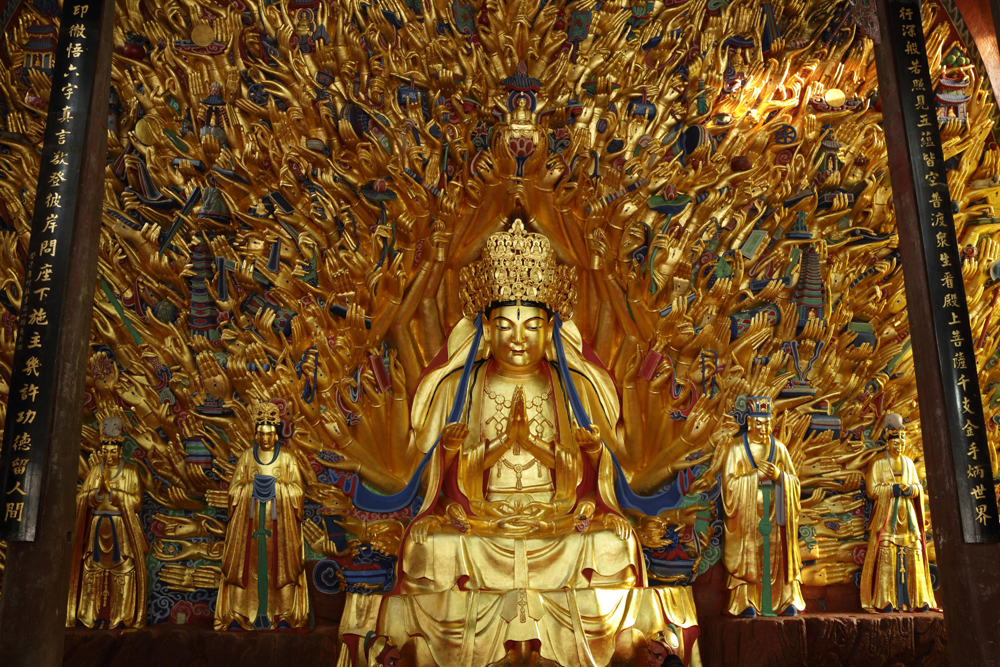
The Dazu Rock Carvings refer collectively to all stone carvings and sculptures located in Dazu District, Chongqing. To date, 75 carved sites have been officially recognized as protected cultural heritage sites, containing more than 50,000 individual statues. Among these, the grottoes of Beishan, Baodingshan, Nanshan, Shimenshan, and Shizhuanshan are particularly notable for their artistry and historical significance.
Construction of the Dazu carvings began in the early Tang dynasty, continued through the late Tang and Five Dynasties periods, flourished during the Northern and Southern Song dynasties, and extended through the Ming and Qing dynasties. Spanning over a thousand years, the carvings represent the last great monument in the history of Chinese grotto art and one of the most magnificent chapters in global grotto art between the late 9th century and the mid-13th century.
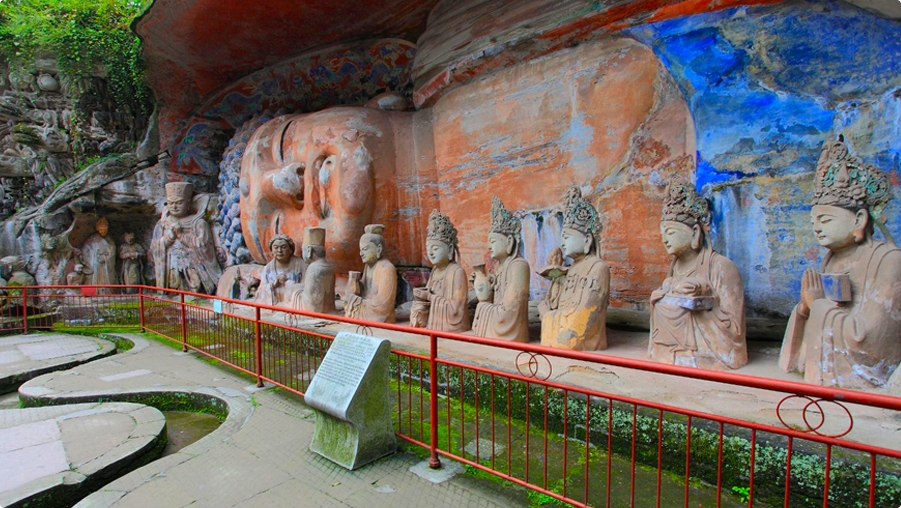
Rooted in the long-standing cultural tradition in the Ba-Shu region (nowadays Chongqing and Sichuan), the Dazu carvings absorbed and transformed the artistic achievements of earlier grotto art, innovating in technique, composition, and style. Their distinctive ethnic, secular, and everyday-life themes established a uniquely Chinese aesthetic and set a standard for Chinese grotto art.
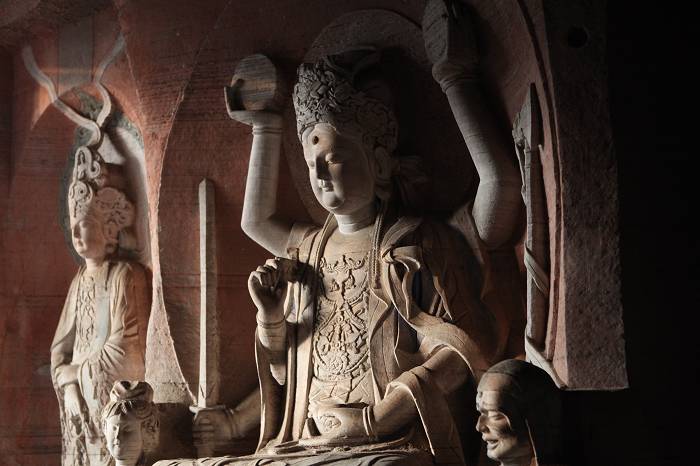
As a representative of late Chinese grotto art, the Dazu carvings, together with the grottoes of Dunhuang, Yungang, and Longmen, form a complete narrative of China’s grotto art history. They illustrate the stylistic developments and shifts in popular religious practices from the 9th to the mid-13th centuries and provide a key record of artistic innovation. The carvings are invaluable for their historical, artistic, scientific, and aesthetic significance.
On December 1, 1999, the Dazu Rock Carvings were inscribed on the UNESCO World Heritage List.
Address: 7 Beishan Road, Longgang Subdistrict, Dazu District, Chongqing
Opening Hours: Monday to Sunday, 8:30–17:30